
Spices
Available
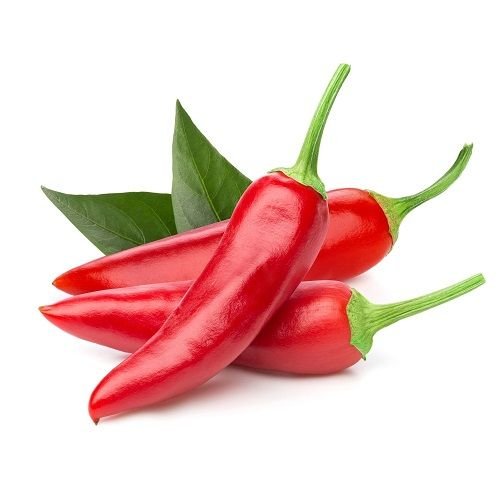
Dried Red Chilli
Kashmiri, Byadagi, Guntur, Bhut Jolokia and Naga Viper chillies, Grade A or B.
Kashmiri chilli is prized for deep red color with relatively mild heat — used where a recipe needs color without much burn. Byadagi runs similarly mild and colorful; Guntur is the high-heat commodity grade behind most bulk chilli powder production. Bhut Jolokia and Naga Viper are extreme-heat specialty varieties bought in much smaller volumes, mainly by hot-sauce and novelty-food manufacturers.
Heat level and color are the two things to specify clearly on your RFQ — these varieties are not interchangeable, and Guntur substituted for Kashmiri (or vice versa) will visibly change a finished product.
Grades available
- Grade A
- This is the highest quality grade of dried red chilly, with a uniform size, shape, and color. They are also free from defects and have a sweet taste.
- Grade B
- This grade of dried red chilly, may have some minor defects such as discoloration or uneven sizes, but they are still suitable for use in baking and cooking.
Varieties available
- Kashmiri Chilli
- These chillies are bright red and mild in heat. They are commonly used in Indian cuisine for their vibrant color and to add a mild heat to dishes.
- Byadagi Chilli
- These chillies are deep red and have a slightly smoky and fruity flavor. They are often used in South Indian cuisine and are known for their vibrant color.
- Guntur Chilli
- These chillies are bright red and extremely spicy. They are commonly used in Andhra Pradesh cuisine and are a staple ingredient in Indian spice blends.
- Bhut Jolokia (Ghost Pepper)
- These chillies are extremely spicy and are known for their intense heat level. They are commonly used in North-Eastern Indian cuisine.
- Naga Viper
- These chillies are even hotter than the Bhut Jolokia and are one of the hottest chillies in the world.
Domestic MOQ 200 kg Export MOQ 20-ft container Private label available
You may also need
More from Spices
Pricing & samples
Get today's dried red chilli pricing
The product is pre-filled below. Add your quantity and destination — our trade desk replies with grades, specifications and an FOB/CIF quote within one business day.
Request a quoteReply in 1 business day