
Nuts
Available
Pine Nuts
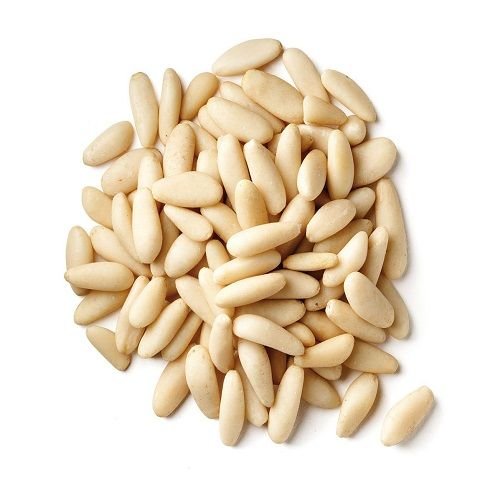
Pine nuts sourced across six origins — Italian, Korean, Siberian, Mexican, Chinese and Pakistani stone pine.
Origin changes pine nuts more than almost any other product we carry: Italian stone pine nuts run long and slender with a mild flavor Mediterranean buyers specify by name; Chinese and Pakistani pine nuts are smaller, more affordable, and common in bulk confectionery and pesto manufacturing; Korean and Siberian nuts sit between the two on both size and price.
Because pine nut markets move on wild-harvest yields rather than planted acreage, pricing can shift quickly year to year — we quote against current market rather than a fixed list, so ask for a fresh number rather than working off an old one.
Varieties available
- Italian Stone Pine Nuts
- These are the most commonly found pine nuts in the market. They are small, ivory-colored nuts with a delicate flavor and a creamy texture. They are often used in pesto sauce, salads, and baked goods.
- Korean Pine Nuts
- These are slightly larger than Italian pine nuts and have a darker color. They have a slightly stronger and nuttier flavor than Italian pine nuts and are often used in Korean cuisine.
- Siberian Pine Nuts
- These are the largest pine nuts and are native to Siberia. They have a rich, buttery flavor and a slightly crunchy texture. They are often used in Russian and Ukrainian cuisine.
- Mexican Pine Nuts
- These are small, dark brown pine nuts with a slightly sweet and earthy flavor. They are often used in Mexican cuisine.
- Chinese Pine Nuts
- These are similar in size to Italian pine nuts but have a slightly sweeter flavor. They are often used in Chinese cuisine.
- Pakistani Pine Nuts
- These are small, ivory-colored pine nuts with a mild, sweet flavor. They are often used in Pakistani and Indian cuisine.
Domestic MOQ 200 kg Export MOQ 20-ft container Private label available
You may also need
More from Nuts


Pricing & samples
Get today's pine nuts pricing
The product is pre-filled below. Add your quantity and destination — our trade desk replies with grades, specifications and an FOB/CIF quote within one business day.
Request a quoteReply in 1 business day